
BS Software Engineering
Specialized engineering program emphasizing scalable software design, quality assurance, microservice architectures, and agile enterprise methodologies.
Program Overview
The BS Software Engineering program focuses on systematic, disciplined, and quantifiable approaches to the development, operation, and maintenance of software systems. Students learn requirement engineering, software design paradigms, quality assurance, test automation, software project management, and cloud-native application deployment.
Why Study BS Software Engineering at Pak Royal College?
Enterprise Engineering Practices
Master scalable design patterns, domain-driven design, and enterprise architectural principles.
Rigorous Quality & Testing
Comprehensive training in automated test engineering, CI/CD pipelines, and security auditing.
Agile & DevOps Integration
Live sprints, Scrum frameworks, and modern containerized deployment workflows.
State-of-the-Art Software Labs
Work with modern development environments, GitOps tools, and testing infrastructures.
Industry Mentorship
Guidance from senior software architects and engineering managers in top tech firms.
Global Career Mobility
Curriculum aligned with international software engineering standards.
Academic Curriculum & Semester Breakdown
Explore course codes, credit distribution, and practical lab components across each academic semester.
| Course Code | Course Title | Credit Hours | Course Type |
|---|---|---|---|
| SE-101 | Introduction to Information & Communication Technologies | 3 (2+1) | Core Foundation |
| SE-102 | Programming Fundamentals | 4 (3+1) | Core Computing |
| MT-101 | Calculus & Analytical Geometry | 3 (3+0) | Mathematics |
| EG-101 | English Composition & Comprehension | 3 (3+0) | General Education |
| PK-101 | Pakistan Studies | 2 (2+0) | General Education |
Program Learning Outcomes
Engineering Principles
Apply engineering fundamentals to construct large-scale software solutions.
Requirement Engineering
Elicit, analyze, specify, and validate complex software requirements.
Quality Assurance
Implement comprehensive verification, validation, and automated testing frameworks.
Architectural Design
Design resilient microservices, distributed architectures, and scalable APIs.
Project Management
Manage project timelines, resource allocations, and agile development lifecycles.
Professional Standards
Adhere to professional engineering codes of conduct and data protection standards.
Skills & Technologies You Will Master
Where Can This Degree Take You?
Potential career trajectories and roles pursued by our graduates.
Lead the technical design and structural foundation of enterprise software systems.
Develop automated testing suites and ensure software reliability and compliance.
Automate build, deployment, and cloud infrastructure pipelines.
Build high-throughput backend services, data pipelines, and APIs.
Lead cross-functional engineering teams in delivering complex software projects.
Admission Requirements
Required Application Documents:
- Matric / O-Level result card & certificate (Original & 3 copies)
- Intermediate / A-Level result card (Original & 3 copies)
- CNIC / B-Form copy
- 4 recent passport photos
Fee & Payment Schedule
* Subject to official college regulations.
Scholarships Available for this Program
- Merit-Based Scholarship
- Kinship Concession
- Need-Based Financial Aid
Frequently Asked Questions
How does Software Engineering differ from Computer Science?
While Computer Science focuses deeply on computational theory, hardware-software interaction, and algorithmic science, Software Engineering emphasizes engineering methodologies, quality assurance, architecture, testing, and lifecycle management for production software.
Is there a focus on modern frameworks and cloud tools?
Yes, students work with React, Node.js, Python, Docker, Kubernetes, AWS, and enterprise testing frameworks.
Related Academic Programs
Other degree paths aligned with computing, technology, and management.
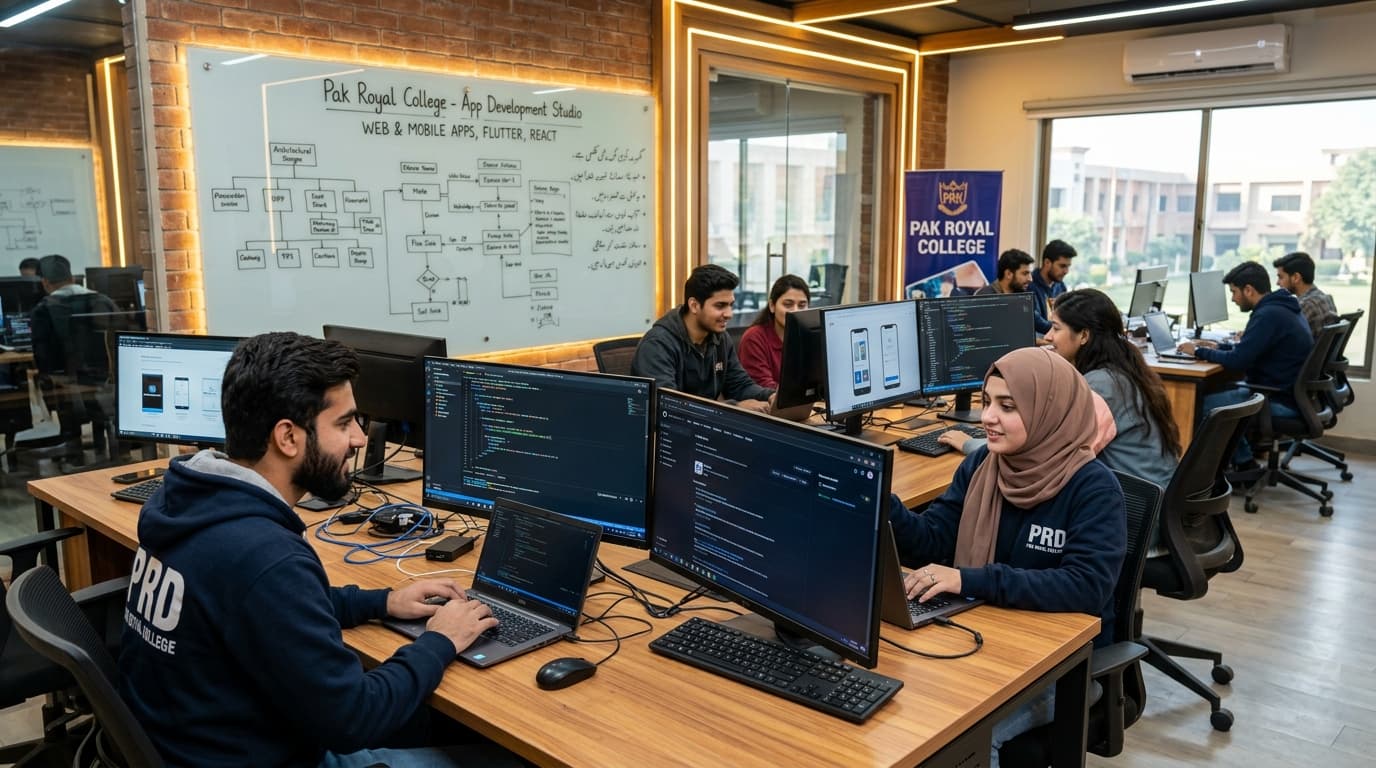
BS Computer Science
A comprehensive four-year undergraduate program focusing on computer systems, software architecture, algorithms, data engineering, and modern computing paradigms.
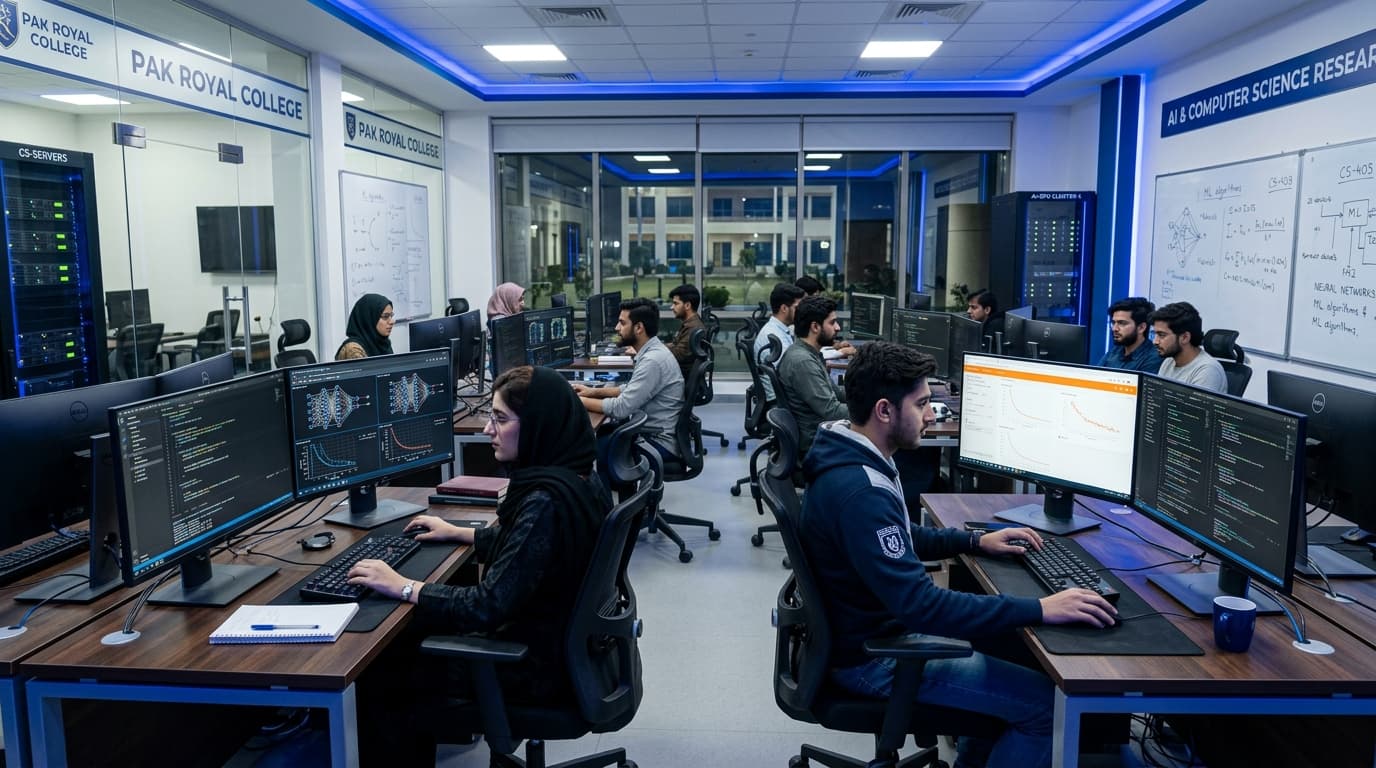
BS Artificial Intelligence
Cutting-edge degree covering machine learning, deep learning, computer vision, natural language processing, robotics, and intelligent autonomous systems.
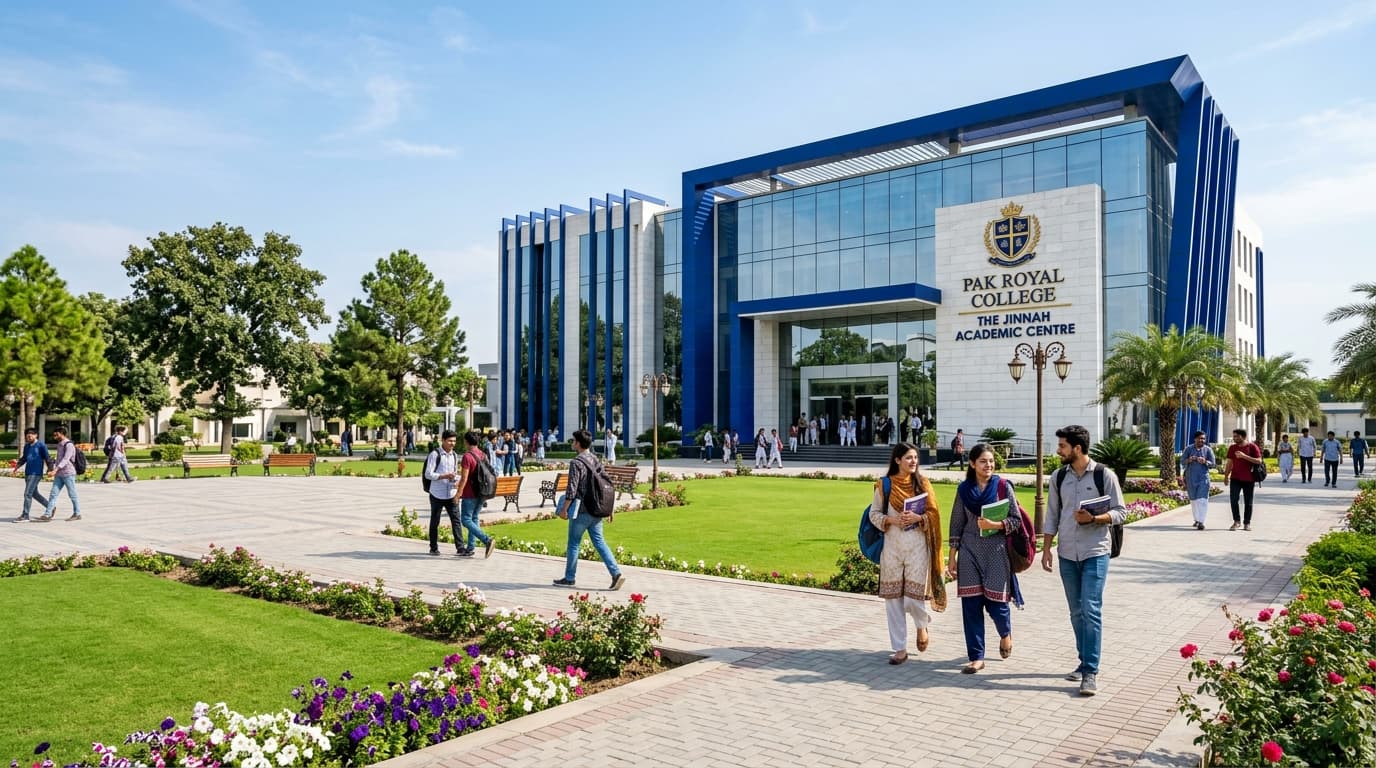
BS Information Technology
Applied computing program focusing on enterprise IT infrastructure, cloud administration, network security, database management, and systems integration.